Collections · मोक्ष Mokṣa
Liberation
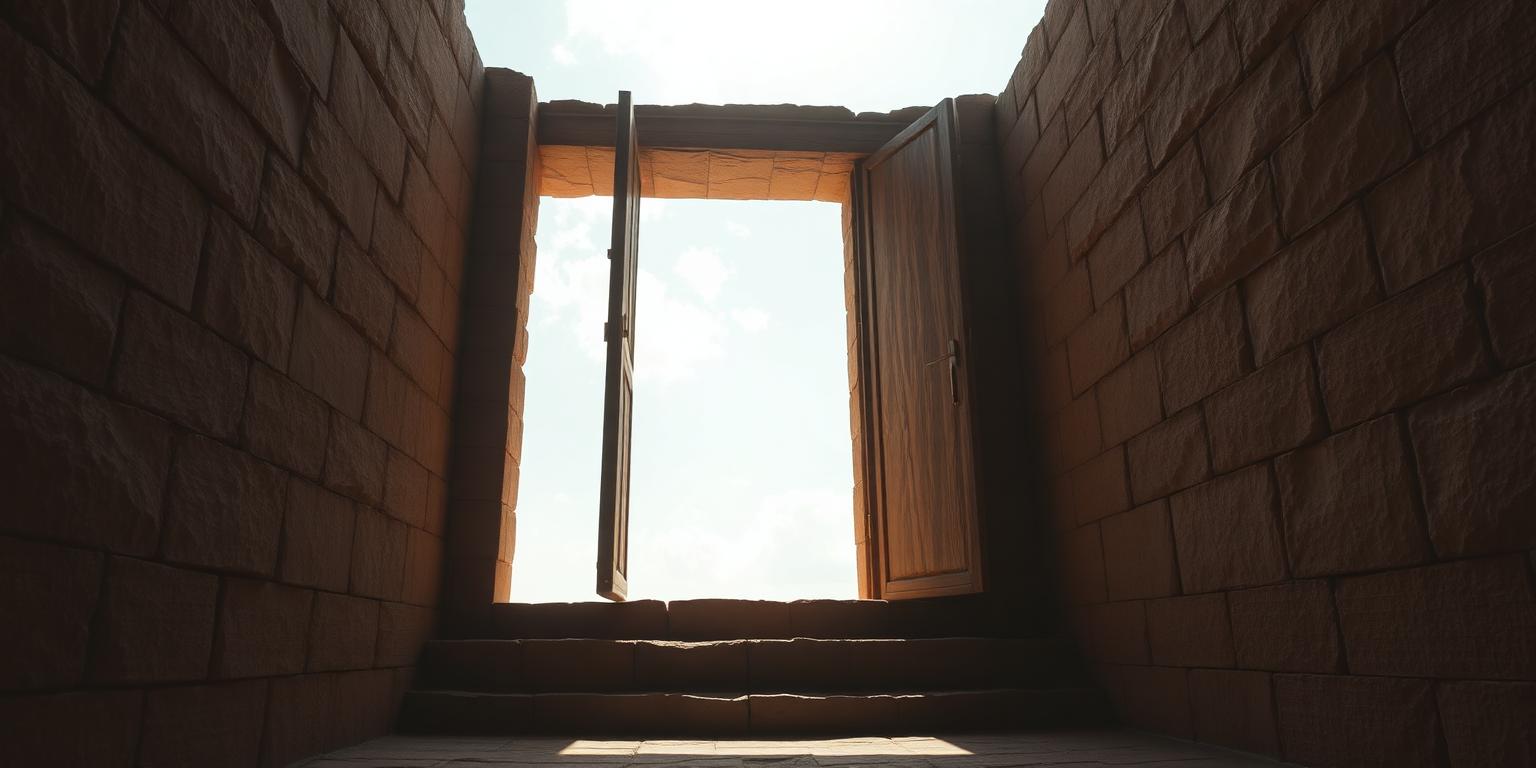
The word is release: the loosening of a knot, the opening of a hand. The traditions disagree about almost everything concerning it except that it is not an acquisition.
The intention
Mokṣa is named as the fourth and final aim of life in the Hindu scheme, alongside dharma, artha and kāma.
Different traditions describe the freedom differently, and we will not flatten them: what is released, and into what, is precisely where they differ.
Held as an intention, it functions as a direction, not a result you can schedule.
Historical & traditional context
Vedānta describes mokṣa as release from saṃsāra through knowledge of the self; the Bṛhadāraṇyaka and Muṇḍaka Upaniṣads present it as a recognition rather than an accomplishment.
Buddhist tradition speaks of nibbāna, an unbinding — described in the Pāli canon mainly by what ceases: greed, hatred and delusion (Saṃyutta Nikāya 38.1). It is not the ātman-based liberation of Vedānta, and the difference is doctrinal, not verbal.
Jain teaching describes mokṣa as the soul freed of karmic matter, rising to the summit of the universe — a distinct cosmology with its own account.
Sāṃkhya and classical yoga name it kaivalya, aloneness: the discernment of puruṣa from prakṛti (Yoga Sūtra 4.34).
Sufi writing speaks of fanāʾ, passing away of the self, and baqāʾ, subsistence in God — again a different frame, and one its own authors were careful to define.
For your practice
- Practise without a target for the session. Freedom is poorly served by measurement.
- Let the round end where it ends and sit for a few breaths afterwards without beads in hand.
- Read one paragraph of a tradition's own account of liberation before sitting, so that the word keeps its specific weight.
Gemstones
Stones associated with this intention
Each association is labelled honestly: documented historical use, long-standing symbolism, or a contemporary spiritual reading.
Symbolic association
Clear Quartz
Clarity and transparency as an emblem of unobstructed awareness.
Modern interpretation
Labradorite
A contemporary association with thresholds and transitions.
Symbolic association
White Agate
Plain, pale stone chosen for its restraint rather than any attributed property.
Traditions & sources
- Upaniṣadic / Vedānta
- Release through knowledge of the self.
- Bṛhadāraṇyaka Upaniṣad 4.4; Muṇḍaka Upaniṣad 3.2
- Buddhist
- Nibbāna as unbinding, defined by the ending of greed, hatred and delusion.
- Saṃyutta Nikāya 38.1
- Jain
- The soul freed of karmic matter within a distinct Jain cosmology.
- Tattvārtha Sūtra, ch. 10
- Sāṃkhya / Classical Yoga
- Kaivalya as discernment of consciousness from nature.
- Yoga Sūtra 4.34
- Sufi
- Fanāʾ and baqāʾ as terms with their own theological definition.
References point to texts and bodies of teaching a reader can look up. Where a connection is not historically documented, we say so rather than implying one.